
ADAS Calibration Services in Phoenix & Tucson
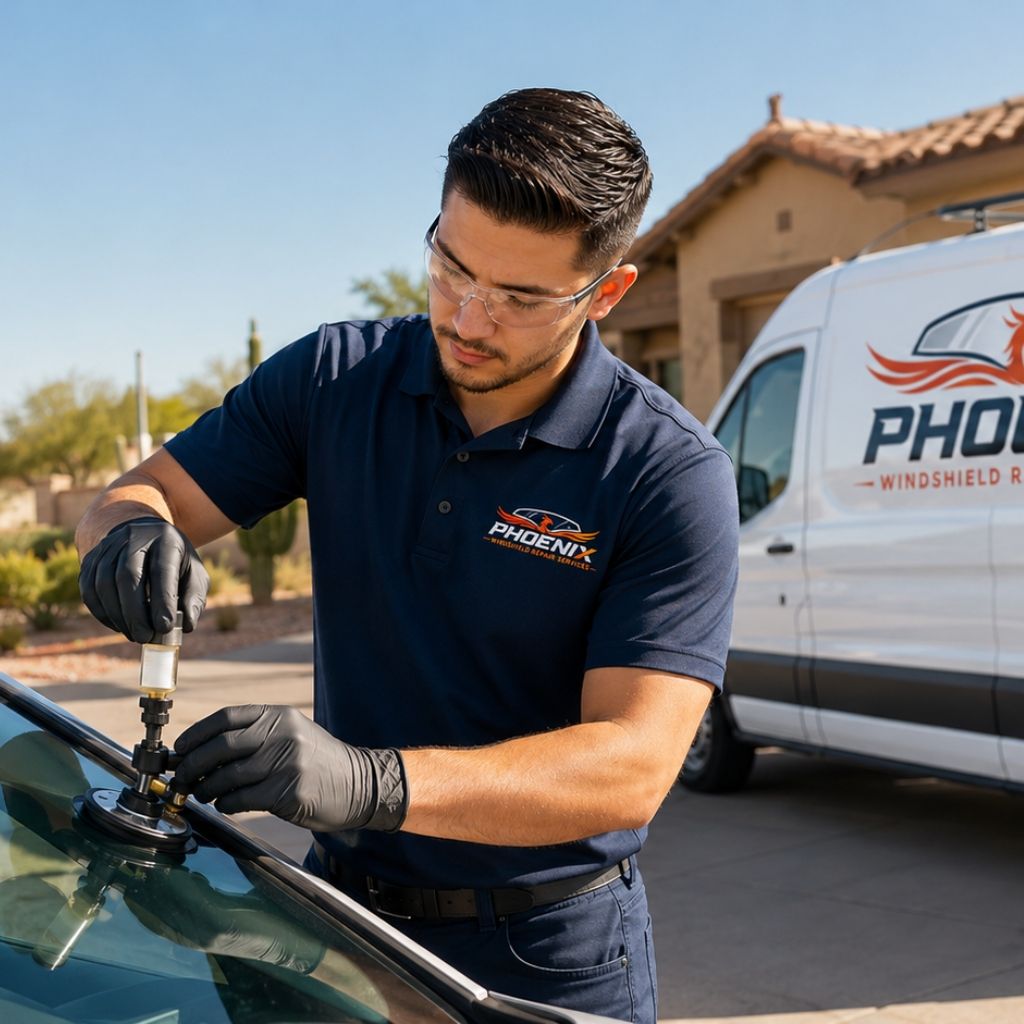
Phoenix Windshield Repair Services provides ADAS calibration services in Phoenix and Tucson for vehicles equipped with advanced driver assistance systems. Modern vehicles rely on windshield-mounted cameras, radar sensors, and driver assist technology to support lane departure warning, adaptive cruise control, collision alerts, and emergency braking. After windshield replacement, those systems may require recalibration to help the vehicle operate within manufacturer specifications.
ADAS Calibration Quote
Fast & Free EstimatesWindshield ADAS Calibration After Replacement
Many modern vehicles use windshield-mounted cameras and sensors as part of their advanced driver assistance systems. When a windshield is replaced, those cameras and sensors may need recalibration to help ensure the driver assist system functions correctly.
Phoenix Windshield Repair Services provides ADAS calibration support in Phoenix and Tucson for vehicles equipped with lane assist systems, adaptive cruise control, emergency braking systems, forward collision warning systems, and other camera-based safety technology.
Vehicles from manufacturers such as Nissan, Toyota, BMW, Mercedes-Benz, Honda, Ford, Hyundai, and many others may require recalibration after windshield replacement depending on the vehicle design, sensor placement, and manufacturer procedures.

What ADAS Systems Do in Modern Vehicles
ADAS stands for Advanced Driver Assistance Systems. These automotive safety systems use cameras, sensors, radar units, and vehicle software to assist drivers with visibility, awareness, collision prevention, and lane positioning.
Common ADAS features include adaptive cruise control, lane departure warning, lane keeping assist, automatic emergency braking, forward collision warning, blind spot monitoring, and traffic sign recognition. Many of these systems rely on front-facing cameras mounted near the windshield.
Because those systems depend on precise camera positioning, even small changes during windshield replacement can affect how the driver assist system interprets road conditions, lane markings, surrounding traffic, and following distance.
Static vs Dynamic ADAS Calibration
ADAS calibration procedures generally fall into two categories, static calibration and dynamic calibration. Some vehicles require one method while others may require both depending on manufacturer procedures and the type of driver assistance system installed.
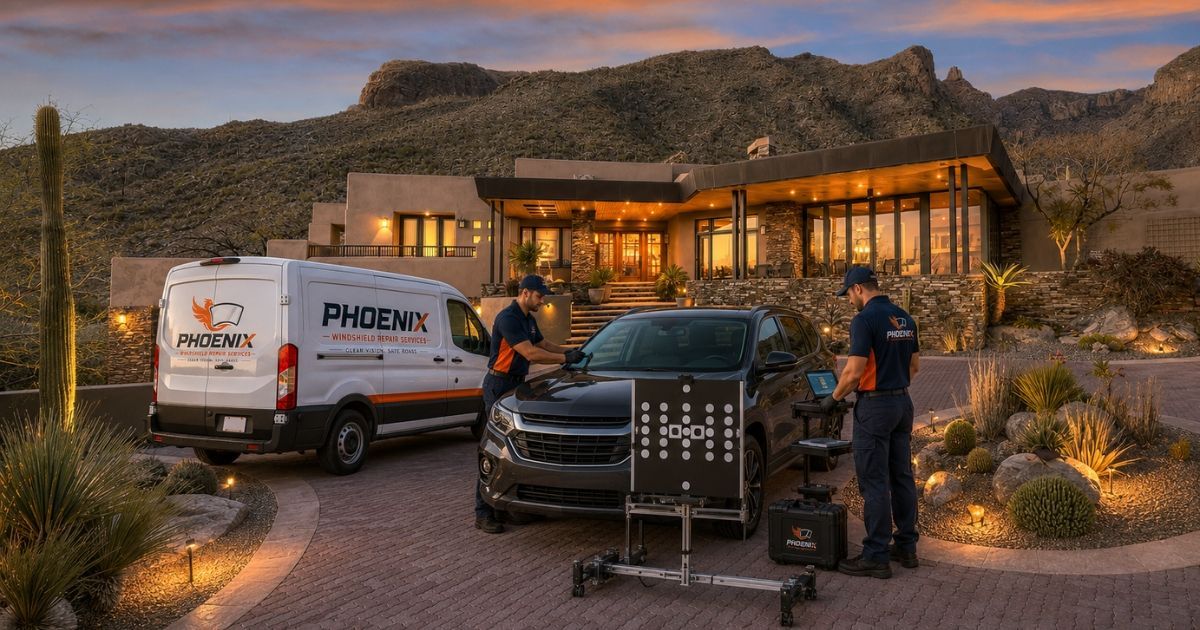
Static calibration is typically performed using specialized calibration targets and equipment while the vehicle remains stationary in a controlled environment. Dynamic calibration usually involves driving the vehicle under specific road conditions so the cameras and sensors can recalibrate during operation.
Calibration requirements vary between manufacturers and vehicle platforms. Toyota ADAS systems, Nissan ADAS systems, BMW driver assist systems, and Mercedes ADAS systems may all have different recalibration procedures depending on the model and safety package installed.
Why ADAS Calibration Matters After Windshield Replacement
ADAS calibration is important because modern driver assistance systems depend on accurate sensor alignment and camera positioning. If the camera angle or sensor positioning is incorrect, systems such as adaptive cruise control, lane assist, and collision warning may not respond properly.
In Phoenix and Tucson, freeway driving, long commuting distances, heavy traffic, and high-speed Arizona highways place significant importance on windshield visibility and driver assistance accuracy. Vehicles equipped with advanced safety systems are designed to use those cameras and sensors continuously during daily driving.
Proper calibration helps the vehicle interpret lane markings, following distance, traffic positioning, and road conditions within manufacturer specifications after windshield replacement or related repairs.
ADAS Calibration FAQs
Get practical answers about ADAS systems, windshield camera calibration, driver assist warnings, and recalibration after windshield replacement in Phoenix and Tucson.
Many modern vehicles require ADAS calibration after windshield replacement because the windshield often supports the forward-facing camera used by advanced driver assistance systems. When the glass is removed and replaced, the camera bracket, viewing angle, or sensor position may change enough that the system needs to be recalibrated.
In Phoenix and Tucson, this matters because many drivers spend a lot of time on Loop 101, I-10, I-17, US 60, Loop 202, and other high-speed roads where lane assist, adaptive cruise control, and forward collision warnings may be used frequently. If the vehicle manufacturer requires calibration, it should be treated as part of restoring the windshield system properly.
The exact answer depends on the year, make, model, trim package, windshield type, and safety features installed. When requesting a quote, provide the vehicle details and let us know whether the vehicle has lane departure warning, adaptive cruise control, collision warning, emergency braking, rain sensors, or a camera mounted near the rearview mirror.
ADAS stands for Advanced Driver Assistance Systems. In cars, an ADAS system uses cameras, sensors, radar, and vehicle software to help support safety features that assist the driver while the vehicle is in motion.
Depending on the vehicle, ADAS may help with lane departure warning, lane keeping assist, forward collision warning, adaptive cruise control, automatic emergency braking, pedestrian detection, blind spot monitoring, traffic sign recognition, and other driver assist features.
Many of these features rely on a windshield-mounted camera near the rearview mirror. That is why ADAS calibration is closely connected to windshield replacement. If the windshield changes, the camera may need recalibration so the driver assist system can read lane markings, traffic distance, and road conditions accurately.
If ADAS calibration is skipped when the manufacturer requires it, the vehicle’s driver assistance systems may not operate the way they were designed to. Some vehicles may show warning lights or driver assist alerts right away. Others may not show an obvious warning but may still have a camera or sensor alignment issue.
Skipped calibration can affect how the vehicle interprets lane markings, following distance, nearby vehicles, road signs, and potential collision risks. On Arizona roads where glare, heat shimmer, dust, freeway speeds, and lane construction are common, camera accuracy is especially important.
If you recently had a windshield replaced and notice lane assist warnings, adaptive cruise problems, collision warning alerts, camera unavailable messages, or unusual driver assist behavior, the vehicle may need inspection and recalibration.
Many Toyota, Nissan, BMW, and Mercedes-Benz vehicles may require ADAS calibration after windshield replacement, especially if the vehicle has a camera mounted to the windshield or safety features tied to forward-facing sensors.
Toyota ADAS systems, Nissan ADAS systems, BMW driver assist systems, and Mercedes ADAS systems can all have different calibration requirements depending on the model, model year, trim level, and safety package. Some vehicles require static calibration, some require dynamic calibration, and some may require both.
The best way to confirm the requirement is to provide the year, make, model, and safety features when requesting service. If your vehicle has lane keeping assist, adaptive cruise control, collision warning, emergency braking, road sign assist, or a windshield camera, calibration may be part of the windshield replacement process.
Yes. ADAS warning lights, lane assist warnings, camera unavailable messages, collision warning alerts, or adaptive cruise control notifications can appear after windshield replacement if the vehicle detects an issue with the camera or driver assist system.
Warning lights may appear because calibration is required, the camera view is obstructed, the sensor was disconnected, the windshield is not compatible with the system, or the vehicle needs a manufacturer-specific recalibration process.
If warning lights appear after service, do not ignore them. In Phoenix and Tucson traffic, those systems may be important during freeway driving, rush hour commuting, and long-distance travel. Request an ADAS calibration quote and provide the exact warning message if possible.
Static ADAS calibration is usually performed while the vehicle is parked in a controlled setup using calibration targets, measurements, and equipment. The vehicle must often be placed on a level surface with enough space around it so the camera can be aligned according to manufacturer procedures.
Dynamic ADAS calibration typically requires the vehicle to be driven under specific conditions so the system can recalibrate while reading lane markings, traffic flow, speed, and road conditions. Some vehicles require steady driving on roads with clear lane lines, which can make timing and location important in Phoenix and Tucson.
Some vehicles only need one type of calibration, while others may need both. The required method depends on the vehicle manufacturer, ADAS system, windshield camera, and safety package installed.
Insurance coverage for ADAS calibration depends on your policy, insurance company, deductible, claim type, and whether the calibration is required as part of the windshield replacement. In many cases, calibration may be included with the glass claim when the vehicle manufacturer requires recalibration.
Because ADAS cameras and sensors are part of the vehicle’s safety system, calibration is often considered part of completing the windshield replacement correctly. However, coverage can vary, so it is important to confirm the details when starting the claim.
If you are filing a glass claim in Phoenix or Tucson, have your vehicle information, insurance details, and any driver assist warnings ready. This helps determine whether calibration should be included and what steps are needed before scheduling.